19 October 2026
Bicycle Accident Lawyer Guide to Insurance Claims
Presented by @claytonwwlf384
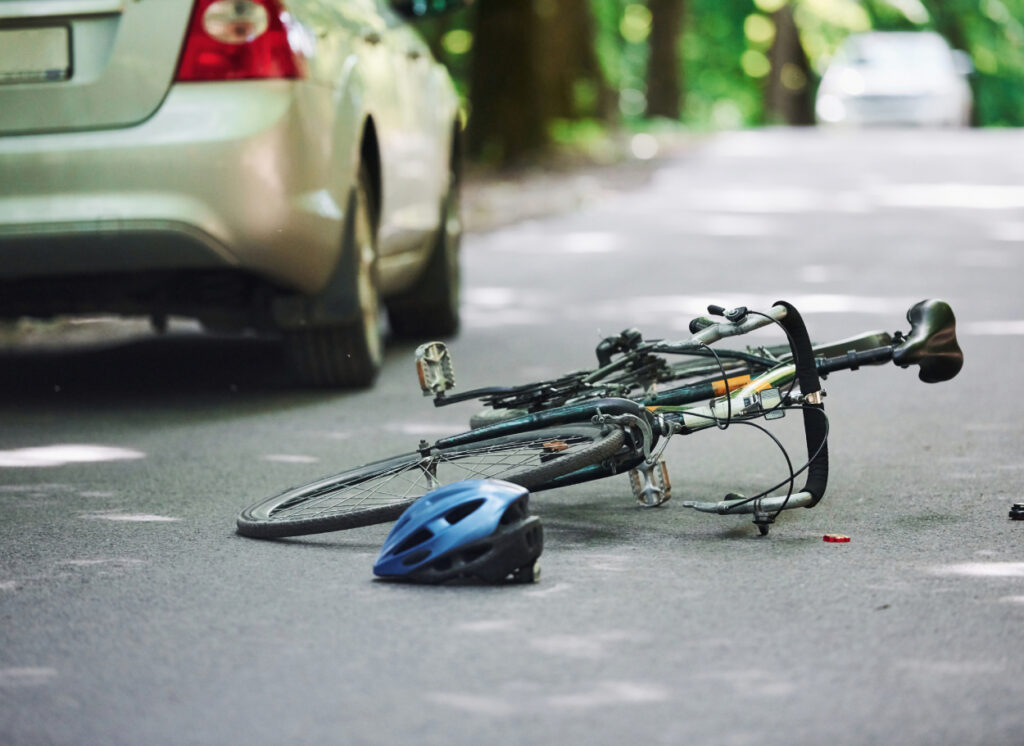

A bicycle crash can upend an ordinary day in a matter of seconds. One moment you are riding to work, training on a shoulder, or crossing an intersection you use every week. The next, you are on the pavement, your bike is twisted, and a driver is saying, "I never saw you." What follows is rarely simple. Injuries often take time to declare themselves. Insurance adjusters move quickly when they think a claim can be contained. Evidence that seems obvious at the scene can disappear within days.
That is where a Bicycle Accident Lawyer often changes the trajectory of a case. Not every crash requires a lawsuit, and not every injured cyclist needs full-scale litigation. But insurance claims after a bicycle accident are full of traps that are easy to miss if you have never handled one. Liability can be disputed even when a driver received a citation. Medical bills can pile up before fault is accepted. Property damage to a high-end road bike or e-bike can be undervalued because an insurer treats it like a department store bicycle. The legal work is often less about drama in a courtroom and more about disciplined claim building, timing, and leverage.
The insurance side of a bicycle case also has a feature that surprises many riders. More than one policy may apply. The at-fault driver's bodily injury coverage may be central, but your own auto policy, a resident relative's uninsured or underinsured motorist coverage, a homeowner's policy, med pay benefits, or even health insurance can all become part of the picture. Understanding how those pieces interact is often the difference between a rushed settlement and a fully developed recovery.
The first hours matter more than most people realize
After a crash, people naturally focus on pain, getting home, and replacing a broken bike. Those things matter, but the first hours also shape the insurance claim. If police respond, the officer's report becomes an early reference point for every adjuster who later opens the file. If there are witnesses, their first impressions are often far more useful than what they remember two months later. If there is a nearby business with a security camera, the footage may be overwritten in days.
Even in cases that appear straightforward, details become contested fast. I have seen claims where a driver admitted fault at the scene, then later told the insurance company the cyclist "came out of nowhere." I have also seen insurers argue that a rider's clothing, lighting, lane position, speed, or decision to proceed through an intersection somehow reduced the driver's responsibility. Some of those arguments fail under scrutiny, but they still have to be answered with evidence.
If you are physically able, the immediate priorities are practical:
- Get medical attention, even if you think the injuries are minor.
- Call law enforcement and make sure a report is created if possible.
- Photograph the scene, the vehicle, your bicycle, visible injuries, and road conditions.
- Collect names and contact information for witnesses.
- Avoid giving a recorded statement to the other insurer before you understand your injuries.
Those five steps do not guarantee a successful claim, but they preserve the raw material a Bicycle Accident Lawyer uses later. A rider with good scene photos, witness information, and prompt medical documentation starts from a much stronger position than someone who waits a week and relies on memory.
Why bicycle claims are often harder than car crash claims
At first glance, a bicycle accident looks like a regular traffic injury case with a different vehicle. In practice, it often presents more resistance. Insurers know jurors can carry hidden assumptions about cyclists. Some think riders ignore traffic laws. Others assume anyone on a road bike accepted a high degree of risk. Those assumptions are unfair, but they are real enough that a strong claim must account for them.
Severity is another complicating factor. Cyclists have almost no physical protection. A low-speed impact that leaves a car passenger shaken may leave a rider with a broken clavicle, wrist fracture, concussion, facial injury, or knee damage. The medical picture can be serious even when property damage to the car looks minor, and insurers often exploit that mismatch. They may suggest the injury does not fit the collision because the vehicle only has a cracked mirror or dented fender. Anyone who has seen what a side mirror can do to a cyclist knows how weak that argument is, but it still surfaces often.
Then there is the bicycle itself. Many adjusters do not understand the value of cycling equipment. A carbon frame, electronic shifting, power meter, wheelset, custom fit components, helmet, shoes, computer, lights, and clothing can represent thousands of dollars. A damaged frame may be unsafe even if the crack is not obvious. A shop inspection and written estimate matter because insurers frequently start with a generic assumption that a bicycle is worth a few hundred dollars.
Where insurance coverage may come from
Most people focus only on the driver's policy. That is sensible, but not always enough. A thorough claim review starts with identifying every possible source of coverage and every lien or reimbursement issue that could affect the final recovery.
The most common source is the at-fault driver's liability coverage. If the driver caused the crash, that policy usually pays bodily injury damages up to its limits and may also pay property damage. But policy limits can be surprisingly low. In some states, the minimum required bodily injury coverage is nowhere near enough for a fractured pelvis, surgery, or months off work.
Your own insurance may also matter even though you were on a bicycle. If you carry uninsured motorist or underinsured motorist coverage on your auto policy, it may protect you when a driver has no insurance or too little insurance. In many households, a family member's policy can also become relevant if you are a resident relative. Med pay coverage, if available, can help with medical bills regardless of fault, usually in modest amounts but sometimes enough to ease immediate pressure. Health insurance can cover treatment while the liability claim develops, though any reimbursement rights must be reviewed carefully.
There are also edge cases. A crash caused by a delivery driver may involve a commercial policy. A dangerous road condition could raise a claim against a public entity, which usually means strict notice deadlines. A parked car door opened into your path may bring in the vehicle owner's policy even though the vehicle was not moving. A pedestrian or another cyclist can cause a crash too, and the available coverage then becomes more complicated.
A seasoned Bicycle Accident Lawyer does not guess at this stage. The lawyer identifies policies, requests declarations pages where appropriate, examines the wording of coverage, and looks for exclusions, notice rules, and stacking issues where state law allows it.
Fault is only the beginning
Many injured riders think the claim turns entirely on whether the driver was at fault. Fault matters, of course, but insurance value depends on much more. The core question becomes: what can be proven, and how convincingly?
Medical records are central, but they do not tell the whole story unless they are read closely and placed in sequence. For example, an emergency room note may focus on the most visible injury and mention only "multiple abrasions" despite a developing shoulder tear or post-concussive symptoms. Weeks later, the insurer may point to that early note and claim the later diagnosis is unrelated. That is why continuity matters. Prompt follow-up, consistent complaints, imaging when indicated, and a clear treatment path often carry more weight than injured people expect.
Lost income creates another layer. A salaried employee with paid leave still sustained a loss if vacation time or sick time had to be used. A self-employed rider may have an even harder time proving the impact because the loss shows up in canceled jobs, missed bids, reduced capacity, or seasonal disruption. These are not impossible claims, but they require organized proof.
Pain and suffering, sometimes called general damages, are often the most disputed part of the case. Insurance companies do not value this category generously out of kindness. They respond to credible evidence, medical support, visible injury, treatment history, prognosis, and risk. A rider who can show how the injury affected sleep, mobility, parenting, exercise, work, or mental well-being presents a stronger claim than someone who simply says, "It hurt a lot."
The role of recorded statements and early settlement pressure
Adjusters often call quickly after a bicycle crash. Sometimes they sound helpful and practical. Sometimes they ask whether they can "just get your side of the story on tape." Many people assume cooperation will speed things up. In reality, an early recorded statement can lock an injured cyclist into details before the medical picture is clear.
This is especially risky with head injuries, orthopedic pain, and adrenaline-heavy crashes. A rider may say, honestly, "I think I'm okay," only to discover a concussion, torn labrum, or nerve symptoms days later. The adjuster is not required to interpret that statement generously. It may be used later to argue the injuries were minor or unrelated.
Early settlement offers create a similar problem. Insurers sometimes offer quick money before treatment is complete. For someone missing work or facing bike replacement costs, that can feel like relief. But once a release is signed, the claim is usually over. If the rider later needs surgery, develops chronic pain, or learns the driver had limited coverage that could have supported a policy-limits demand, the opportunity may be gone.
A good lawyer is often most valuable here, not because every adjuster acts in bad faith, but because insurance is a system of incentives. The carrier wants to resolve the claim for less than it might cost if fully developed. The injured rider wants enough information to make a smart decision. Those goals are rarely aligned in the first week after a crash.
What strengthens a bicycle accident insurance claim
Strong bicycle cases are built, not merely asserted. Evidence should be gathered with the same care a rider might use to prepare for a major event. The details add up.
The following documents usually carry the most weight:
- The police report, including diagrams, witness names, and any citations issued.
- Medical records and bills from every provider, from urgent care to physical therapy.
- Photographs of the scene, injuries, bicycle damage, helmet damage, and road layout.
- Repair estimates or replacement documentation for the bike and gear.
- Wage records, tax records, or employer letters showing time missed and income loss.
Beyond those basics, some cases benefit from scene inspections, video preservation letters, event data from fitness devices, phone records, biomechanical analysis, or expert input from treating doctors. A GPS file showing speed and route can support the cyclist's version of events. A helmet with a visible strike point may reinforce the mechanism of injury. A bicycle shop's written opinion that a carbon frame is unsafe after impact can defeat a lowball property offer.
There is also a human side to claim proof. Injury journals can be useful if they are factual and consistent, not exaggerated. Short entries that note pain levels, missed activities, sleep trouble, medication side effects, and appointment dates can help recreate the lived impact months later when settlement talks begin.
Comparative fault can reduce a recovery, even in a strong case
One of the biggest misunderstandings in bicycle claims is the idea that a driver must be either 100 percent at fault or not at fault at all. Many states apply comparative negligence rules, which means an insurer may argue that the cyclist was partly responsible and should recover less.
Common insurer arguments include lane positioning, visibility, helmet use, failure to signal, speed, running a stop sign, or riding against traffic. Some of those points may be valid in a given case. Others are exaggerated or legally irrelevant. Helmet use, for instance, can be contentious because the significance depends on state law and the type of injury involved. If the injury is a broken leg, a helmet debate may be little more than noise. If the issue is head trauma, the argument becomes more complex.
What matters is not the insurer's first accusation, but whether it can be supported and whether state law actually makes it meaningful. I have seen cyclists blamed for "not taking the shoulder" when the shoulder was full of debris and unsafe. I have seen drivers claim the rider was invisible at dusk despite functioning front and rear lights. These cases often turn on specifics, sight lines, road design, witness accounts, and local traffic rules governing bicycles.
A Bicycle Accident Lawyer earns value by pushing back where blame is inflated and by giving candid advice where there is genuine exposure. The right approach is not blind optimism. It is credible advocacy anchored in facts.
When the bike itself becomes an insurance battle
Cyclists are often shocked by how poorly property damage is handled. A car appraiser may know body panels and labor rates but have no idea what a carbon fork, integrated cockpit, hydraulic disc group, or custom wheel build costs. The result is predictable. The carrier undervalues the bike, assumes repair when replacement is appropriate, or ignores accessories entirely.
This is one area where precision matters. A proper claim should include the make, model, year, size, build kit, aftermarket components, mileage if relevant, original purchase information if available, and current market replacement cost. If the bike was custom-built, a component-level breakdown may be necessary. The helmet, shoes, lights, saddle bag, computer mount, and clothing damaged in the crash should not be treated as afterthoughts.
Frame integrity https://johnnyigem519.vantagequill.com/posts/bicycle-accident-lawyer-help-for-fracture-and-orthopedic-claims is a recurring issue. Some damage is obvious. Some is not. Hairline fractures or compromised carbon layups can be dangerous and are not always visible in a photograph. A written evaluation from a reputable bike shop is often the cleanest way to address this. In higher-value cases, the cost of shipping the frame for manufacturer inspection may even be justified.
Insurers sometimes try to depreciate high-end equipment aggressively. That can be fair for some wear items, but not if the approach ignores actual replacement needs. If a rider cannot buy an equivalent safe bicycle for the offered amount, the valuation deserves scrutiny.
Medical liens, health insurance, and the money that does not all stay in your pocket
Many injured people focus on the gross settlement number. That is understandable, but what matters is net recovery. Depending on the case, health insurers, medical providers, workers' compensation carriers, or government programs may assert reimbursement rights. These claims can be legitimate, negotiable, or in some circumstances challengeable.
This is where legal representation often pays for itself quietly. A headline settlement can look strong until liens consume a large portion of it. A lawyer who identifies those claims early, confirms what is enforceable, and negotiates reductions can materially improve the result. It is also important to avoid settlement language that creates unnecessary complications with providers or future coverage.
The timing of medical treatment matters here too. If a rider delays care because of cost concerns, the insurer may later argue the injury was minor. If the rider obtains treatment through health insurance, the case moves forward medically, but reimbursement issues may follow. There is no perfect universal path. The right choice depends on the severity of injury, available coverages, local lien rules, and the likely value of the case.
How settlement timing affects value
The hardest part of many claims is patience. People want closure, and for good reason. But settling before maximum medical improvement, or at least before the prognosis is reasonably clear, creates real risk. Once a claim is resolved, there is rarely a second chance.
That does not mean every case should drag on. Some injuries resolve quickly, liability is clear, and the fair range is apparent within a few months. Other cases need time because symptoms persist, surgery is being considered, or a treating doctor cannot yet say whether the rider will recover fully. A fractured wrist for a graphic designer, surgeon, or mechanic has different long-term implications than it might for someone whose work is unaffected. A concussion in a person with a cognitively demanding job may justify a much deeper damages analysis than a superficial records review would suggest.
The most effective settlement demands are usually sent when the evidence is mature. They tell a coherent story, tie liability to damages, include supporting records, explain future care if warranted, and present the case as one ready for litigation if the insurer refuses to engage reasonably. That combination often gets more attention than angry rhetoric ever will.
When a lawsuit becomes necessary
Most injury claims settle without a trial. Many settle without even filing suit. Still, some bicycle cases need litigation because liability is denied, policy limits are hidden, causation is disputed, or the insurer simply will not offer a fair number.
Filing suit changes the process. It allows formal discovery, depositions, document requests, subpoenas, and often a more disciplined evaluation by the defense. It also introduces costs, timelines, and uncertainty. Not every rider wants that, and not every case warrants it. But the willingness to litigate, when justified, often shapes negotiation long before trial.
There are also statute of limitations concerns. If the filing deadline passes, even a strong case may be lost. Claims against public entities can involve much shorter notice periods. This is one reason early legal review matters. Waiting until settlement talks stall can leave too little room to investigate, prepare, and file properly.
Choosing the right Bicycle Accident Lawyer
Not every personal injury lawyer understands bicycle cases well. The legal principles overlap with car accidents, but the factual nuances do not. A lawyer who handles cycling claims regularly is more likely to understand lane control, dooring incidents, right-hook collisions, left-cross crashes, group ride issues, road hazard cases, bike valuation, and the subtle biases insurers bring to cyclist injuries.
The right lawyer should be able to explain the likely claim path in plain language. That includes liability analysis, available coverages, expected medical documentation, timing concerns, fee structure, costs, lien issues, and realistic value ranges. If the conversation is all confidence and no substance, be careful. Good case evaluation sounds measured because it is measured. There are always unknowns early on.
A practical lawyer also helps the client avoid self-inflicted damage. That may mean advising against social media posts that can be misconstrued, encouraging consistent treatment, preserving physical evidence, and making sure the client understands what not to say to insurers. These are not glamorous tasks, but they matter.
The claim is really about leverage and credibility
Insurance companies assess risk. They look at fault, damages, venue, witnesses, medical support, policy limits, and whether the other side appears ready to prove the case. Credibility influences all of it. Exaggeration weakens claims. Gaps in treatment raise questions. Sloppy documentation invites discounting. On the other hand, a well-prepared bicycle case with clean evidence, responsible treatment, and a lawyer who knows how to present it often commands much more respect.
For injured cyclists, the best approach is rarely aggressive posturing for its own sake. It is methodical pressure. Preserve evidence early. Understand all coverage. Build the medical record carefully. Value the bike and gear accurately. Know the deadlines. Evaluate settlement with an eye on net recovery, not just the headline number. And if the insurer refuses to engage honestly, be prepared to move from claim negotiation to litigation.
A bicycle crash can leave behind more than road rash and a bent wheel. It can disrupt work, family life, mobility, sleep, confidence, and financial stability. The insurance claim is the mechanism meant to address those losses, but it works well only when handled with skill. That is why many riders who start out thinking they can "just work it out with the insurer" eventually realize that a Bicycle Accident Lawyer is not an escalation. It is often the most efficient way to be taken seriously.
CGH Injury Lawyers
2701 Lawrence St Suite 201
Denver, CO 80205, United States
Phone: +1 720-669-8062
FAQ About Bicycle Accident Lawyer
Who is at fault if a car hits a bicycle?
Fault depends on the evidence and the traffic rules that applied to the collision. A driver, cyclist, or another party may share responsibility. Police reports, witness accounts, video, and the physical evidence can help establish what happened. A collision with a car does not automatically determine legal fault.
Can you sue someone for hitting you on a bike?
You may have a claim when another person's negligent conduct causes your injuries and losses. The available evidence, applicable deadlines, insurance coverage, and any shared fault affect your options. A lawyer can review the circumstances and explain whether an insurance claim or lawsuit is appropriate; compensation is not guaranteed.
What percentage does an injury lawyer usually take?
There is no single percentage that applies to every injury case. Many lawyers use a contingency fee based on a share of the recovery, with the terms stated in a written agreement. Ask how the percentage is calculated, whether it changes during litigation, and how case expenses are handled before signing.