19 October 2026
What to Bring to Your Bicycle Accident Lawyer Meeting
Presented by @claytonwwlf384
The first meeting with a lawyer after a bicycle crash often happens at an awkward moment. You may still be sore, your bike may be sitting bent in a garage or at a repair shop, and you may already be getting calls from an insurance adjuster who sounds helpful but keeps asking the same pointed questions. That meeting matters because it is where facts get organized, risks become clearer, and a vague sense of unfairness starts turning into a legal claim that can actually be evaluated.
People often think the main job is simply to show up and tell the story. That matters, but it is only part of it. A Bicycle Accident Lawyer can do far more with a complete, well-documented file than with a memory-based account delivered weeks or months later. The stronger the information you bring, the easier it is for counsel to assess liability, identify missing evidence, estimate damages, and spot problems before they become expensive.
That does not mean you need a perfect binder or a polished chronology. It means you should arrive with the raw material that helps a lawyer understand what happened, who may be responsible, how serious the injuries are, and what the claim may be worth. Good preparation also saves time. Instead of spending the whole meeting chasing basic facts, the conversation can shift toward strategy, timelines, insurance coverage, medical treatment, and whether litigation is likely.
Start with the story, but make it specific
Every bicycle collision has a narrative, and the details usually matter more than people expect. A rider says, “A car turned into me,” but the legal question becomes whether the driver failed to yield, whether the cyclist was visible, whether a bike lane was blocked, whether a traffic signal changed, and whether any comparative fault arguments are likely.
Before the meeting, write down what happened while it is still reasonably fresh. Include the date, time, location, direction of travel, weather, road conditions, traffic flow, and what you were doing in the seconds before impact. If you had lights on, reflective gear, a helmet, or a camera, note that. If the driver said anything at the scene, write it down as closely as you can remember. Statements such as “I didn’t see you,” “I was looking at traffic,” or “you came out of nowhere” often become important later, especially if they were heard by a witness.
This written account does not need to read like a legal brief. Plain language is better. What matters is precision. “I was riding east in the marked bike lane on Oak at about 7:40 a.m. The driver heading west turned left across my lane into the entrance of a parking lot,” is much more useful than “I got hit by a turning car.”
A lawyer will test that narrative against the physical evidence. If your recollection and the photographs, vehicle damage, road layout, and medical records all line up, the claim usually starts on firmer ground.
The accident report is often the backbone of the file
If police responded, bring the accident report or at least the report number and the agency that prepared it. In many cases, the report provides the first neutral summary of the crash. It may include the parties’ identifying information, insurance details, a basic diagram, witness names, citations, and the officer’s observations.
Police reports are not perfect. Officers sometimes misunderstand bicycle dynamics, place the point of impact incorrectly, or adopt a driver’s version before all facts are known. Still, the report gives a lawyer a starting point and can reveal immediate issues. A citation issued to the driver may help, but the absence of a citation does not mean the driver was not at fault. On the other side, if the report suggests the cyclist violated a signal, was riding against traffic, or lacked proper lighting at night, the lawyer needs to know that early and address it honestly.
If emergency responders came but police did not create a full crash report, bring any paperwork from EMS or the fire department. Those records can help establish timing, complaints of pain at the scene, and the immediate seriousness of the event.
Photos and video often decide the argument
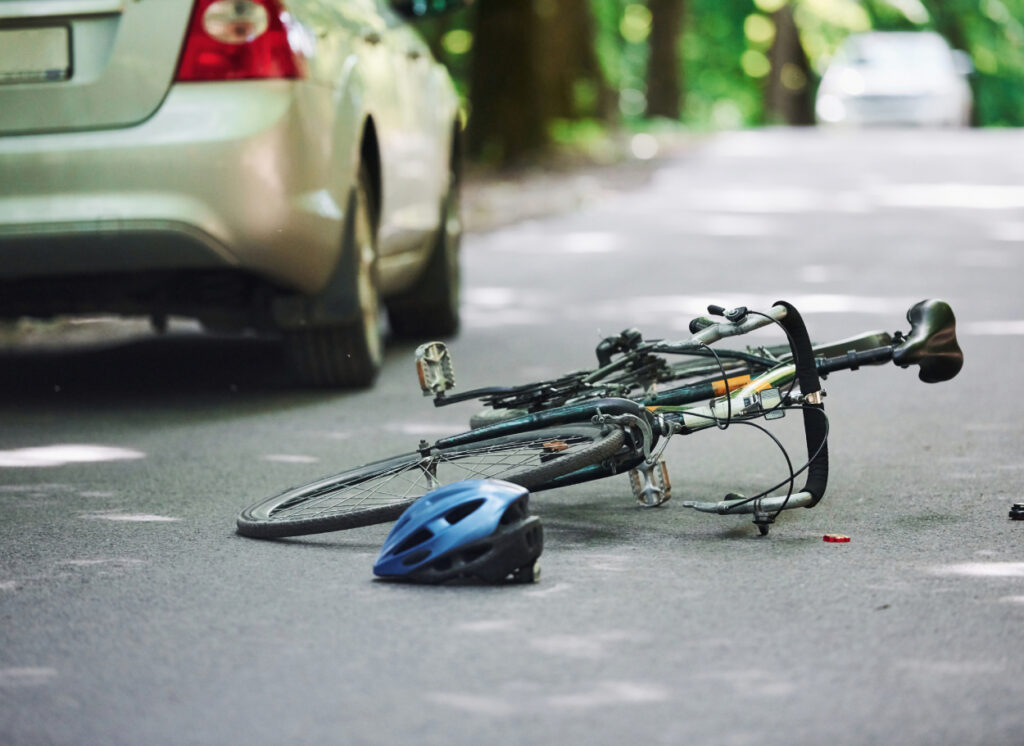
A surprising number of bicycle cases turn on visual evidence. Pictures taken in the first hour can capture conditions that disappear by the next day, such as skid marks, debris patterns, the exact position of the bike, a bent wheel, fresh scrape marks on pavement, or a delivery van that was parked across a bike lane. If you have photos, bring all of them, not just the few that seem dramatic.
The same goes for video. Helmet camera footage, home security clips, traffic cameras, business surveillance, and dashcam recordings can be decisive. Many systems overwrite footage quickly, sometimes in days. If you know a nearby store, apartment building, or bus may have captured the crash, tell the lawyer immediately, even if you do not have the recording yet. Preserving that evidence can become urgent.
Bring your phone if the evidence is stored there. Emailing compressed copies can strip timestamps or metadata. A Bicycle Accident Lawyer will often want the original files or at least access to them in a form that preserves detail.
Photos of injuries matter too, especially bruising, road rash, swelling, stitches, casts, and surgical scars. These injuries evolve. Road rash that looks minor in an emergency room snapshot can look much worse two days later. A sequence of images over time is often more persuasive than one isolated picture.
Medical records tell the damages story
Even where liability is clear, the value of a case often rises or falls with medical proof. Bring every record you have, including emergency room discharge papers, urgent care notes, primary care records, orthopedic evaluations, physical therapy notes, imaging reports, prescriptions, and billing statements.
If you do not have the records yet, bring the names, addresses, and approximate treatment dates for every provider. That alone helps a lawyer move quickly. It is common for injured cyclists to forget one provider, such as a follow-up clinic or a specialist seen only once. Those gaps create avoidable delays.
The records matter for several reasons. They show what symptoms appeared right after the crash, what diagnoses were made, what treatment was recommended, and whether your complaints remained consistent. They also reveal trouble spots. If you waited three weeks to seek care, missed appointments, returned to mountain biking the weekend after the collision, or told one doctor your pain was “much better” while telling another it was “unbearable,” the defense will likely focus on those inconsistencies.
That does not mean your claim is doomed if treatment was imperfect. Real life is messy. People try to work through pain, avoid medical bills, or assume soreness will fade. A good lawyer can often explain those facts. What helps is candor. Bring the records, describe the gaps honestly, and let counsel assess how much harm they actually cause.
Wage loss documents can make a major difference
A bicycle crash often disrupts work in ways that are not obvious at first. Some people miss only a few shifts. Others return too soon and lose productivity, commissions, freelance opportunities, overtime, or physically demanding tasks. Salaried professionals may use sick leave or vacation days and assume there is no wage loss, even though those benefits have real value.
Bring proof of your income before and after the collision. Pay stubs, tax returns, direct deposit records, invoices, profit and loss statements, or employer letters can all help. If you are self-employed, the picture takes more work. A lawyer may need to see prior years of earnings, client contracts, canceled jobs, or evidence that your injury limited the number of hours you could bill.
The more specific you are, the stronger this part of the claim becomes. “I missed work” is vague. “I am a restaurant server, I missed twelve shifts over three weeks, and my average take-home income with tips is about a certain amount per shift” is something a lawyer can use.
Do not forget the bicycle itself
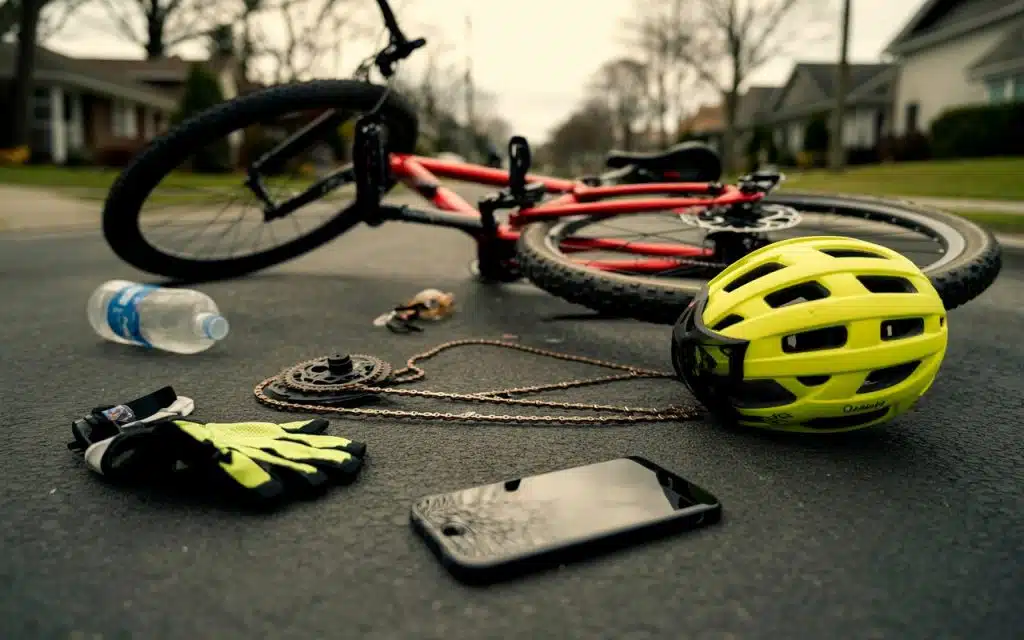
Many injured cyclists focus on medical records and forget that the bicycle, helmet, clothing, lights, pedals, and repair estimate can all become relevant evidence. Bring photographs of the bike from multiple angles. If it has already been inspected by a shop, bring the written estimate. If the frame is cracked or a component failed, do not rush to dispose of it.
In some cases, the damage pattern helps confirm how the collision happened. A bent rear wheel may support a side-swipe or rear-end mechanism. Scraping on one pedal or one handlebar may match the rider’s fall path. Even a destroyed helmet can tell part of the impact story, though it should usually be replaced, not reused.
If the bicycle was high value, bring the purchase receipt if you have it. Many road bikes, cargo bikes, and e-bikes cost more than insurers assume. Added components such as carbon wheels, custom saddles, lights, racks, child seats, and cycling computers can significantly increase property losses. Without documentation, those items are easy to undervalue.
Insurance paperwork is more important than most people realize
Many people assume only the driver’s auto insurance matters. Sometimes that is true. Often it is not. Depending on the state and policy language, your own auto policy, a household member’s policy, medical payments coverage, health insurance, disability insurance, homeowners insurance, umbrella coverage, or even employer-related coverage may affect the case.
Bring every insurance document connected to the crash, including letters, claim numbers, adjuster emails, voicemails, denial notices, reservation of rights letters, and any forms you have been asked to sign. If you have already given a recorded statement, tell the lawyer when and to whom. If you received an early settlement offer, bring it.
That paperwork helps your lawyer answer practical questions fast. Is there enough liability coverage? Is there possible underinsured motorist coverage? Did an insurer ask for a broad medical authorization that should not be signed? Has a health insurer started asserting a reimbursement claim? These are not side issues. They often shape case value and strategy from the beginning.
A short checklist helps keep the meeting productive
If you are trying to organize everything the night before, focus on the essentials first:
- A written account of how the crash happened, with date, time, location, and sequence of events
- The police report, incident number, or any responder paperwork
- Photos and video of the scene, injuries, bicycle, vehicle, and road conditions
- Medical records, bills, and the names of every provider who treated you
- Insurance information, claim numbers, and any letters or messages from adjusters
If you have more, bring more. If you only have two of those five, bring those and do not delay the appointment just to create a perfect packet.
Witness information can strengthen or weaken the case
Independent witnesses often matter more than either party expects. A driver will usually say the cyclist appeared suddenly, was hard to see, or was outside the proper lane position. A neutral observer may describe the same moment very differently, especially if the driver rolled through a stop, drifted into the shoulder, or turned across a marked bike lane.
Bring names, phone numbers, email addresses, and anything else you have for witnesses. If someone gave you a business card, save it. If a bystander texted you a photo or message after the crash, keep that too. Do not assume a witness will stay available forever. People change numbers, forget details, move away, or become hesitant once time passes.
There is also a judgment call here. Not every witness helps. Sometimes one witness supports the driver, another supports the cyclist, and a third saw only the Bicycle Accident Lawyer aftermath. A skilled Bicycle Accident Lawyer will want to evaluate all of that early rather than learning six months later that a witness exists who cuts against your version of events.
Social media and activity records can become evidence
This is one of the most misunderstood parts of injury cases. You do not need to arrive with a curated social media history, but you do need to tell the lawyer if you posted about the crash, your recovery, or your physical activities. Public posts showing group rides, races, hiking trips, gym sessions, or heavy labor after the collision may be used to challenge injury claims, even when the post lacks context.
The same is true of cycling apps, GPS data, fitness trackers, and ride logs. These can help or hurt. A ride file may confirm your speed, route, braking, and position before impact. It may also show you were descending fast in a narrow corridor where visibility was limited. Your lawyer should know what exists before the other side uncovers it.
Candor at this stage is protective. Surprises are dangerous. A difficult fact disclosed early is manageable. The same fact discovered later by opposing counsel can undermine trust and weaken strategy.
Bring your questions, not just your papers
Many clients leave the first meeting wishing they had asked more practical questions. The legal system feels abstract until the bills start arriving and treatment keeps stretching on. Bring a written list of what you want to know. That way you do not forget once the conversation gets moving.
Useful questions usually center on timing, medical documentation, insurance communications, case value, repair or replacement of the bike, out-of-pocket costs, and what to avoid doing while the claim is pending. Ask who will handle the file day to day. In some firms, the lawyer you meet is the same person who will remain closely involved. In others, much Bicycle Accident Lawyer of the communication may go through paralegals or case managers. Neither structure is automatically bad, but you should know what to expect.
This is also the right moment to ask for an honest view of weaknesses. Strong lawyers do not promise easy money or quick results. They point out gray areas. Maybe liability is solid but treatment was delayed. Maybe injuries are real but imaging is normal. Maybe the driver had minimal coverage and the best recovery path depends on finding additional insurance. A thoughtful first meeting should leave you better informed, not merely reassured.
There are a few items people routinely overlook
Some of the most useful evidence in bicycle cases comes from places clients do not think to check. If any of the following apply, mention them:
- The damaged helmet, torn clothing, broken glasses, or shoes worn during the crash
- Receipts for medications, rides to appointments, bike storage, or medical equipment
- Contact information for the bike shop that inspected the bicycle
- Maps, route data, or commute history showing why you were where you were
- Prior injury records if the crash aggravated an older condition
That last item deserves special attention. People worry that a prior knee, shoulder, neck, or back problem will destroy the case, so they avoid bringing it up. That is a mistake. Prior injuries are common, especially among active adults. The issue is rarely whether you were in perfect health before the crash. The issue is whether the collision caused new harm or materially worsened an existing condition. A lawyer can address that far better when the history is disclosed early.
What if you do not have everything yet?
That is normal. Very few people arrive fully assembled. Medical treatment may still be ongoing. The bike may still be at a shop. The police report may not be ready. A witness may not have answered your last message. Do not postpone a worthwhile consultation simply because the file is incomplete.
Instead, bring what you have and be ready to identify what is missing. A good lawyer will quickly determine whether the missing items are routine or urgent. Surveillance footage from a nearby business may need immediate preservation. Medical records can usually be gathered over time. A damaged bicycle should often be photographed and preserved before repair or disposal. If a municipality may share fault because of a dangerous road defect, notice deadlines may be shorter than in an ordinary claim, and that should be evaluated promptly.
The meeting is also an evaluation of fit
People often think the lawyer is the only one assessing the case. The client should be assessing the lawyer too. Bicycle collisions have their own factual patterns. Dooring incidents, right-hook turns, left-cross collisions, overtaking crashes, lane obstructions, poor road maintenance, and conflicts involving e-bikes or delivery vehicles all raise different questions. A lawyer who understands cycling can usually spot details that a generalist misses, such as lane positioning, visibility issues, helmet camera use, component damage, or how bike infrastructure affects fault arguments.
Pay attention to whether the lawyer listens carefully to the mechanics of the crash. Do they understand what a protected bike lane is, what a right hook looks like, or why a cyclist might legally take the lane? Do they ask about lights, road surface, signaling, and witness vantage point? These are often signs of real familiarity rather than generic personal injury intake.
The first meeting should feel practical. You should come away knowing what documents still need to be gathered, what not to say to insurers, whether your medical treatment needs better documentation, and what broad path the claim may take. That clarity is one of the main benefits of preparing well.
A well-prepared file gives your lawyer room to do better work
The best consultations are rarely dramatic. They are orderly. Facts are pinned down. Records are matched to the story. Weak spots are identified without panic. The client understands what matters, and the lawyer has enough substance to give advice that is grounded rather than generic.
Bringing the right materials to a Bicycle Accident Lawyer meeting does not guarantee a strong case, but it sharply improves the quality of the evaluation. It also reduces the chance that key evidence will disappear while everyone is still trying to reconstruct the basics. When a rider arrives with a clear account, photographs, treatment records, insurance paperwork, and honest answers about the hard parts, the conversation shifts. It becomes less about guesswork and more about strategy.
That is where legal help starts to become truly useful. Not at the moment you walk into the office, but at the moment the facts are solid enough for someone experienced to act on them.
CGH Injury Lawyers
2701 Lawrence St Suite 201
Denver, CO 80205, United States
Phone: +1 720-669-8062
FAQ About Bicycle Accident Lawyer
Who is at fault if a car hits a bicycle?
Fault depends on the evidence and the traffic rules that applied to the collision. A driver, cyclist, or another party may share responsibility. Police reports, witness accounts, video, and the physical evidence can help establish what happened. A collision with a car does not automatically determine legal fault.
Can you sue someone for hitting you on a bike?
You may have a claim when another person's negligent conduct causes your injuries and losses. The available evidence, applicable deadlines, insurance coverage, and any shared fault affect your options. A lawyer can review the circumstances and explain whether an insurance claim or lawsuit is appropriate; compensation is not guaranteed.
What percentage does an injury lawyer usually take?
There is no single percentage that applies to every injury case. Many lawyers use a contingency fee based on a share of the recovery, with the terms stated in a written agreement. Ask how the percentage is calculated, whether it changes during litigation, and how case expenses are handled before signing.